Choosing Between North and South Redondo Townhomes
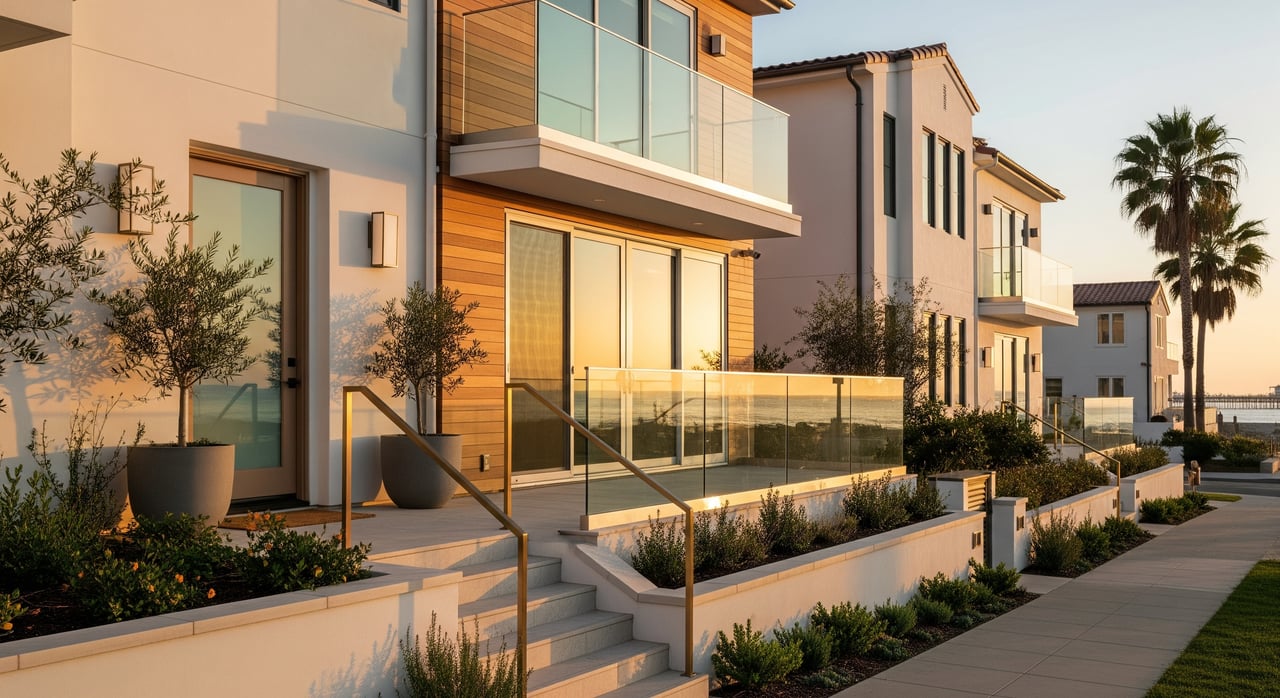
Beach lifestyle or bigger garage? If you are torn between a townhome in North Redondo and one in South Redondo, you are not alone. You want a great fit for how you live today and what you plan for the next few years. In this guide, you will learn the key differences in lifestyle, walkability, parking, HOA costs, hazards, and rules so you can move forward with confidence. Let’s dive in.
Locals use “North Redondo” and “South Redondo” to describe different parts of the city, but these are informal labels. Exact borders can vary by who you ask, and some data sources draw lines a bit differently. If you need precise boundaries for a search or valuation, use the City’s maps or your MLS neighborhood definitions.
In broad strokes, South Redondo centers on the beach, harbor, and Riviera Village area. North Redondo is more inland and residential. Your choice often comes down to how much you value daily beach access versus quieter streets and larger living space.
South Redondo offers a more maritime, visitor-focused vibe. You are close to the harbor, the pier, and a high mix of dining and leisure options. There is more seasonal activity, which many buyers see as part of the charm.
North Redondo leans residential with a calmer pace. You will find neighborhood parks, schools, and everyday services spread throughout. Many buyers choose it for a more suburban rhythm while still being minutes from the coast.
If you want to walk to the beach, marina paths, and a cluster of restaurants, South Redondo usually makes that simple. Your daily routine can include a quick stroll to coffee or sunset at the water.
In North Redondo, walkability varies by block. You may be closer to larger grocery stores and plazas, and you can still reach the beach by bike or a short drive. Think convenience for errands and activities without heavy tourist traffic.
Coastal lots are tighter. In South Redondo, some townhomes have limited private parking, smaller garages, or tighter guest parking rules. Street parking can be more regulated near the beach, so you will want to verify assigned spaces and guest policies.
North Redondo townhomes often feature larger attached garages and more storage. If you need space for gear, a home gym, or a workshop, options are typically better inland. Many buyers also like the easier driveway access.
Near the coast, you will see newer luxury builds, stacked units, and low‑maintenance projects designed for an easy beach lifestyle. These buildings can carry higher HOA fees, especially if they include elevators, enhanced security, or amenities.
Inland, you may find older garden-style complexes and townhome conversions with bigger footprints. HOA fees vary widely. For any project, review what the HOA covers, the reserve study, and recent meeting minutes. Coastal properties can have higher maintenance needs due to salt air corrosion, which can show up in budgets and special assessments.
All of Los Angeles County is in a higher seismic risk region, and earthquake insurance is typically a separate policy. Closer to the water, you should also look at flood zones, storm exposure, salt-related wear, and insurance availability.
If a unit sits near the harbor or at lower elevation, a lender may require flood insurance. Always request insurance quotes early in your process. Premiums can affect your monthly carrying costs and should be part of your budget.
Redondo Beach Unified School District serves the city, and school assignment depends on the exact address. Many families weigh shorter commutes to schools and larger living areas in North Redondo against the convenience and walkability of South Redondo.
If schools are a priority, verify current boundaries for your target addresses before you write an offer. Also think about your daily schedule. Shorter school, work, and activity commutes can make a big difference in quality of life.
Your commute should be part of the decision. Access to Pacific Coast Highway and key freeways like I‑405, CA‑91, and I‑110 can change your daily drive time. Inland routes may be simpler for commuters going north, east, or south for work.
Public transit exists but is not as robust as in denser urban cores. If you prefer biking or walking, the beach-adjacent areas have stronger infrastructure. If you drive most days, test the routes at typical commute times before you choose.
City rules for short-term rentals can change and may be different by neighborhood or building. Some HOAs restrict short stays even if the city allows them. If rental income matters to you, review the municipal code and the HOA’s CC&Rs, rules, and enforcement history.
Also note that properties near the shoreline may have added permitting requirements for renovations. If you plan to remodel, confirm city permits, California Coastal Commission considerations where relevant, and HOA approval steps.
Use this list to focus your inspections and documents before you remove contingencies.
If you are selling in South Redondo, highlight the lifestyle. Stage for light and indoor‑outdoor flow. Showcase walkability to the pier, harbor, and dining. Provide evidence of corrosion control, deck and rail maintenance, and fresh exterior finishes.
If you are selling in North Redondo, lead with space and convenience. Emphasize garage capacity, storage, and flexible rooms for work or fitness. Make sure mechanical systems are serviced and present inspection reports to build buyer confidence.
For every seller, get ahead of HOA questions. Share the budget, reserve study, recent minutes, and insurance details. If there are no pending assessments, say so. Clean, complete documentation can reduce friction in escrow and improve your negotiating position.
Choosing between North and South Redondo is personal. The best choice reflects how you live, your commute, your budget, and your comfort with HOA and coastal factors. A clear plan, verified data, and early due diligence will save you time and stress.
Our team lives and works across the South Bay. We match buyers with on‑ and off‑market opportunities, pressure‑test HOA health, and help you secure insurance quotes and inspections early. If you are selling, we position your townhome to capture the right buyer pool and streamline your escrow.
Ready to compare specific buildings, fees, and recent comps in your price range? Reach out to the Davidson Group - Bayside Real Estate for a tailored plan.
Stay up to date on the latest real estate trends.

You’ve got questions and we can’t wait to answer them.