Is there a right month to put your Palos Verdes Estates home on the market? If you want the most eyes on your listing, timing can help. You live in a coastal, low‑inventory city where buyers shop with intention and expect a polished presentation. In this guide, you’ll learn when buyer activity peaks in PVE, how to plan your prep timeline, and what to do if your schedule doesn’t fit the “perfect” window. Let’s dive in.
Why timing matters in PVE
Palos Verdes Estates is a small, affluent coastal market. Most homes are single‑family, many with ocean or canyon views, and price points stand above much of Los Angeles County. The buyer pool often includes local move‑up families, downsizers seeking a coastal lifestyle, and buyers from greater LA who want privacy and views.
Inventory in PVE tends to run low due to limited land and few new subdivisions. When supply is tight and demand is steady, pricing and presentation can matter more than the calendar. When inventory rises, seasonal timing can make a clear difference. Before you pick a list date, check current conditions like inventory, days on market, and interest rates.
Best months to list for maximum exposure
Primary window: March to July
If you want the broadest pool of buyers, aim for spring into early summer. Here is why this window works in PVE:
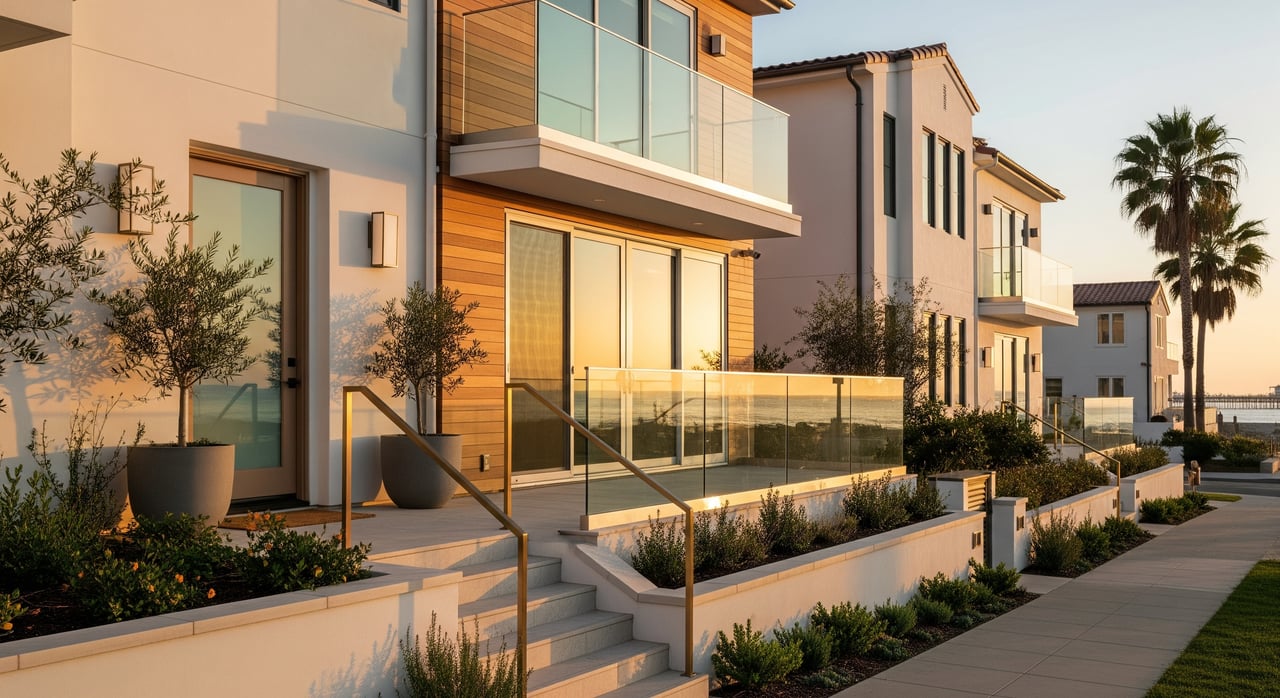
- Curb appeal pops in spring. Landscaping is lush, flowers are in bloom, and exteriors show their best.
- School calendar alignment. Listing in spring allows many family buyers to close in June through August.
- Higher buyer activity. Industry data shows buyer traffic typically climbs in spring. In a high‑value market, more showings can mean stronger offers.
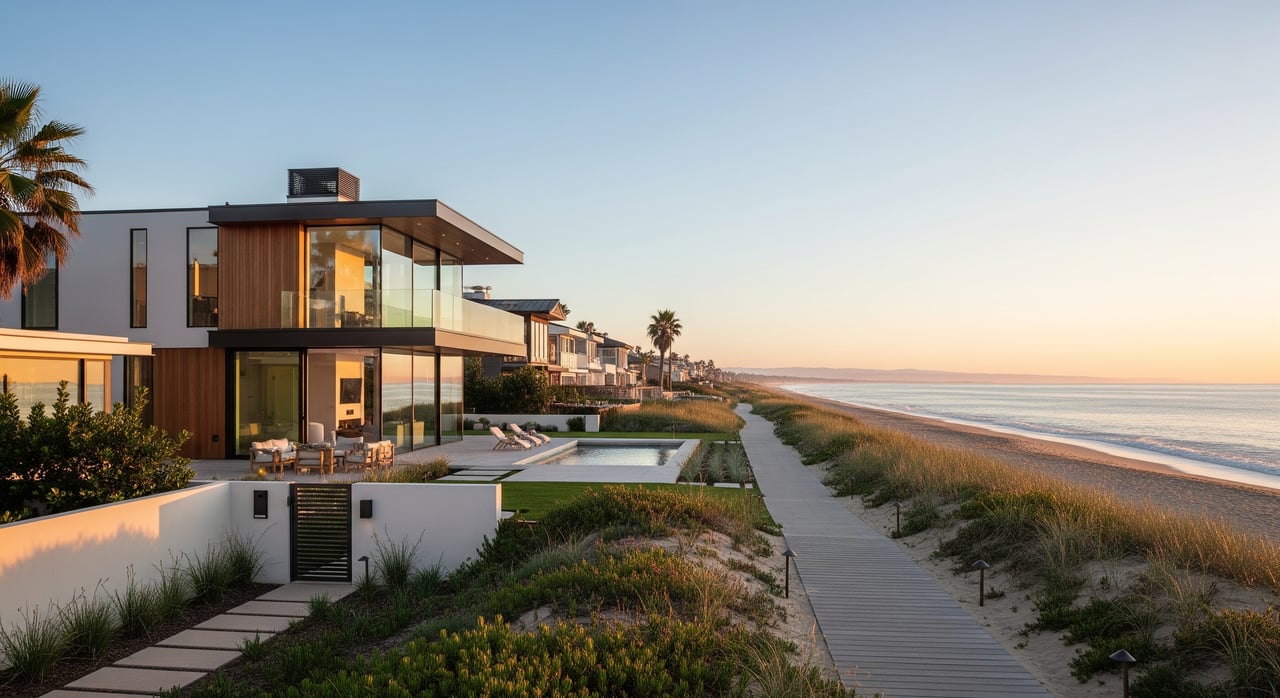
- Photography options. PVE can see “June Gloom” with overcast mornings in late spring and early summer. Schedule late‑afternoon or twilight photography to capture light, views, and sunsets.
Secondary window: Late August to October
If you miss spring, early fall still delivers solid exposure. Buyers return from summer vacations, and corporate relocations can add demand. Inventory may be higher than spring, so lean into strong staging and smart pricing to stand out.
Months to approach with care
Mid‑November through early January is often slower due to holidays. Showings dip, and fewer new buyers enter the market. If your timeline is flexible, avoid listing during major holiday weeks. If you must list, expect to price with precision and rely on targeted marketing.
When to ignore the calendar
There are moments when timing is less important than the market in front of you. A sudden drop in inventory, new interest rate shifts, or a wave of motivated buyers can create strong conditions any month. If data shows low supply and active demand for homes like yours, you can succeed year‑round with the right price and presentation.
Listing day and first‑week game plan
Most activity happens in the first 7 to 10 days. Plan for a strong launch:
- Go live early in the week. Monday through Wednesday helps buyer agents plan weekend tours. Some sellers prefer Thursday to capture weekend momentum.
- Front‑load showings. Stack private showings and open houses in that first weekend to build energy.
- Set an offer strategy in advance. Consider a clear review date to concentrate interest and reduce back‑and‑forth.
Your 4 to 8 week prep timeline
A thoughtful timeline helps you hit peak windows with a polished listing.
4 to 8 weeks before listing
- Make minor repairs and touch up paint. Address anything that could distract buyers.
- Start landscaping updates. Refresh lawn areas, trim hedges, and add seasonal color.
- Check neighborhood rules. Some areas in PVE have design review and CC&Rs. If you plan exterior work, verify requirements early. Coastal properties may require added permitting for certain work.
- Map out your staging plan and reserve rental furniture if needed.
2 to 3 weeks before listing
- Complete staging, declutter, and deep clean. Neutral but warm is your target style.
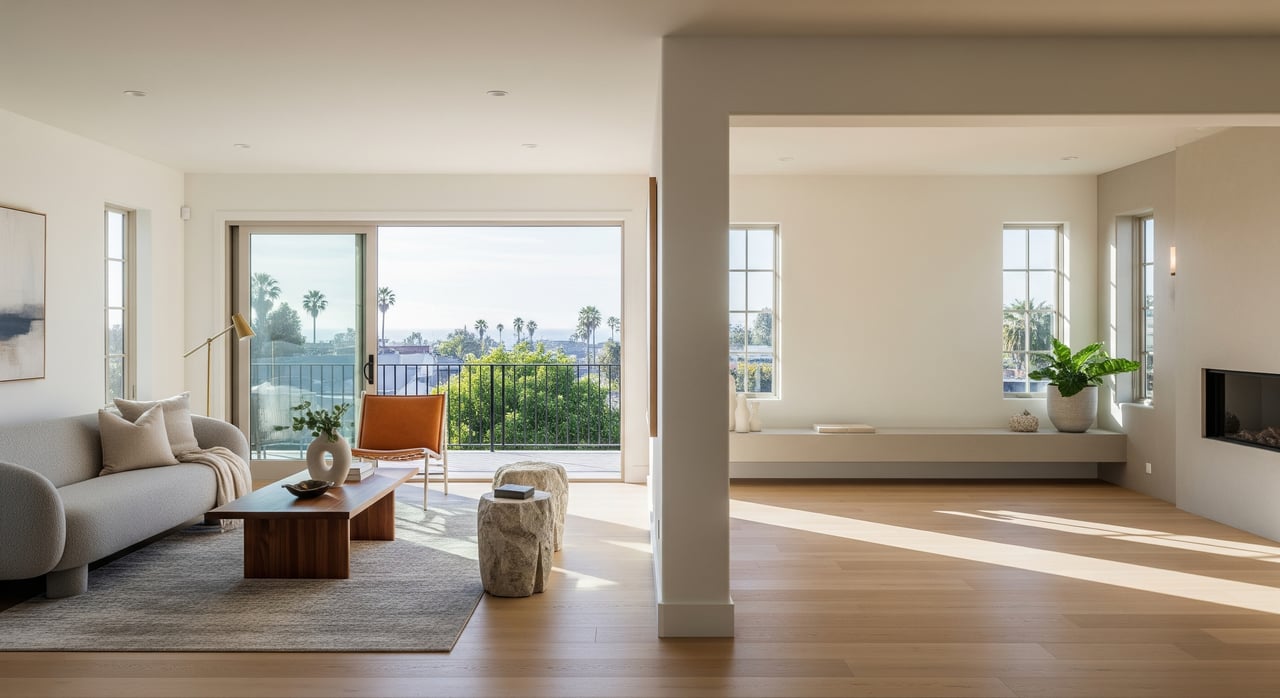
- Highlight indoor‑outdoor flow and any flexible spaces like an office or gym.
- Prep for privacy. If desired, plan for appointment‑only showings after launch.
1 to 2 weeks before listing
- Schedule professional photography, including twilight shots. Add a floor plan, video, and drone images if allowed.
- Prepare disclosures and consider a pre‑listing inspection. This can help you set price, reduce surprises, and speed up negotiations.
- Finalize your pricing and offer‑review plan based on current comps and inventory.
Launch week
- Activate the listing early in the week and announce your first open house.
- Launch digital marketing and agent outreach. Plan weekend open houses and a mid‑week broker tour if appropriate.
- Track early feedback and be ready to adjust quickly.
Photo and staging strategy for PVE homes
Visual storytelling that sells
Local buyers are lifestyle driven. Put the spotlight on:
- Views and orientation. Show sunsets, morning light, and sightlines to canyons or the coastline.
- Outdoor living. Feature patios, decks, lawns, and any privacy or wind‑shelter benefits.
- Everyday convenience. Note proximity to parks, coastal trails, and local schools in neutral terms.
Staging and curb appeal
- Use a clean, neutral palette with soft textures to warm the space.
- Keep architectural character for older or historically styled homes. Buyers often value classic details.
- Choose native or drought‑tolerant landscaping where possible. It looks great and aligns with local expectations.
Showings that fit busy buyers
- Weekends are still prime time for open houses.
- Consider a mid‑week broker tour to drive agent engagement.
- For high‑value or view properties, offer private showings by appointment. Twilight showings can make views and outdoor lighting shine.
Pricing, offers, and escrow timing
In a low‑inventory, high‑demand setting, a slightly conservative list price can encourage multiple offers. In a balanced or buyer‑leaning market, a realistic market price helps you avoid long days on market and discounts later.
Decide early how you will handle offers. A clear deadline can focus attention and avoid a drip of one‑off negotiations. Plan your escrow timeline too. Typical California escrows run 30 to 45 days. If you want a summer move, listing in spring gives you time for marketing, negotiation, and closing.
Common timing scenarios in PVE
Moving with the school calendar
If you want to be settled before fall, list in spring so you can close in June through August. If timing is tight, consider options like a rent‑back or extended escrow subject to negotiation.
Selling during the holidays
If you must sell from mid‑November through early January, keep the focus on serious buyers. Make the home easy to tour, stay flexible on showing times, and price with precision. If you can wait, plan your prep in December and launch in early January.
View home in May or June
Lean into afternoon and twilight photography to offset overcast mornings. Consider an evening open house to showcase your view and exterior lighting.
What to measure before you decide
Before you lock a date, gather a few key metrics from the local MLS:
- Active inventory and months of inventory. A low number points to a seller’s market.
- Recent sale prices and list prices for comparable homes from the last 30 to 90 days.
- Average days on market for similar properties and price ranges.
- List‑to‑sale price ratio. Over 100 percent suggests competitive pressure.
- Pending sales as a near‑term demand signal.
- Mortgage rate environment and local preapproval trends.
Definitions to keep handy:
- Days on Market (DOM). Days from listing to accepted offer.
- Months of Inventory. Active listings divided by monthly sales.
- List‑to‑Sale Price Ratio. Sale price divided by list price.
Navigating rules and permits
Some PVE neighborhoods have architectural review and CC&Rs that apply to exterior changes. Coastal properties may require added permitting for certain work. If you are planning visible upgrades, check requirements with the city or neighborhood review bodies early. This helps you avoid delays and keeps your prep timeline on track.
Ready to plan your timeline?
For maximum exposure in Palos Verdes Estates, target March through July with a polished launch, then use September through October as a strong second choice. Avoid major holiday weeks when possible. Give yourself 4 to 8 weeks to prepare, and let the current data guide final timing, pricing, and offer strategy.
If you want a tailored plan that fits your home, your schedule, and today’s market, reach out to the team that pairs boutique, high‑touch service with studio‑quality marketing. Request a complimentary home valuation from the Davidson Group - Bayside Real Estate.
FAQs
What month is best to list in Palos Verdes Estates?
- Spring into early summer is the primary window, roughly March through July, with a secondary window in late August through October.
How far in advance should I start prepping my home?
- Plan on 4 to 8 weeks for repairs, landscaping, staging, photography, and creating marketing assets.
Does June Gloom hurt my listing photos?
- Not if you plan for it; schedule late‑afternoon or twilight photography to capture light, views, and sunsets.
Should I get a pre‑listing inspection in PVE?
- It is optional but can reduce surprises, help you price with confidence, and streamline negotiations, especially for older homes.
Is it okay to list during the holidays?
- You can sell, but buyer traffic usually dips from mid‑November through early January; if flexible, avoid major holiday weeks.
What day of the week should I go live on the MLS?
- Early in the week is common so agents can plan weekend tours, and many sellers stack showings in the first 7 to 10 days for momentum.